
Munitions and Ordnance
Mise à prix: $25
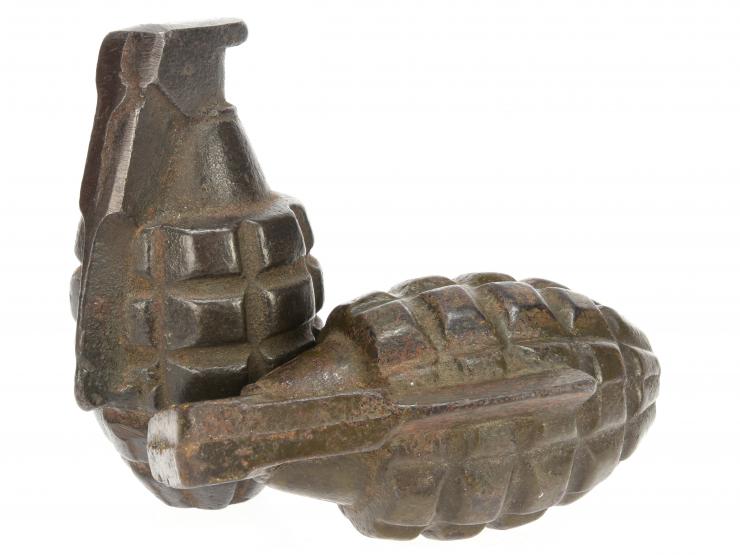
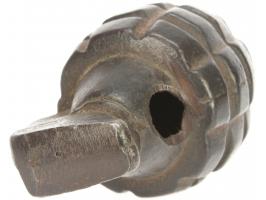
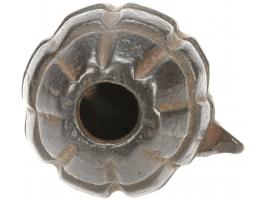
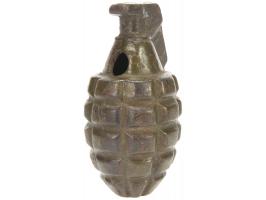
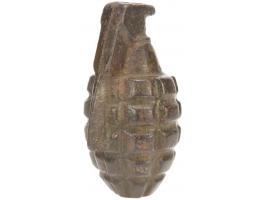
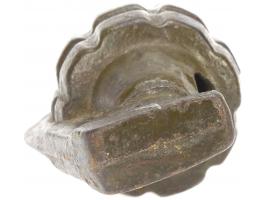
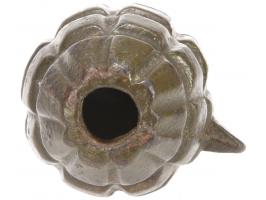
Lot of two non-functional grenades cast in the profile of the US Mark I, with the very distinctive pivoting arming lever. These each retain traces of dark olive finish blending with dark patina.
$50 - $100
Informations sur la vente
Memorabilia
Mise à prix: $100
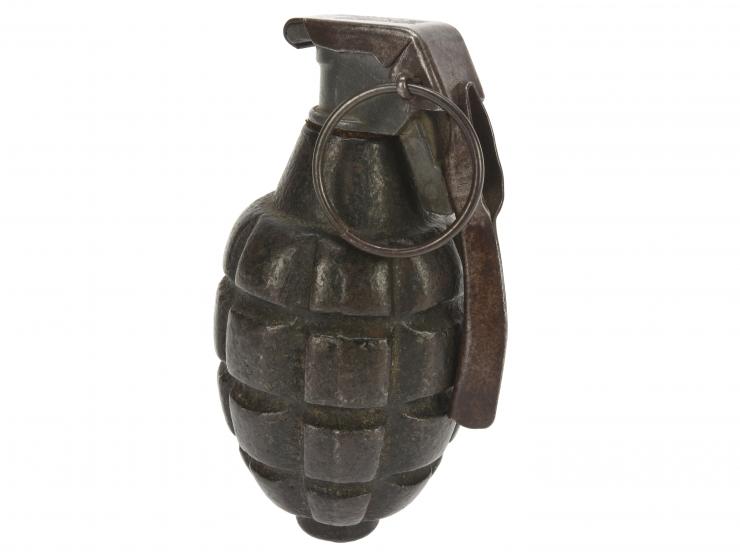
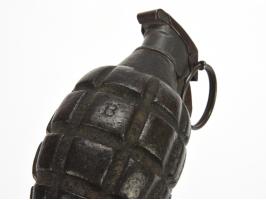
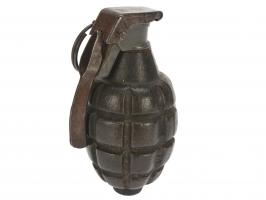
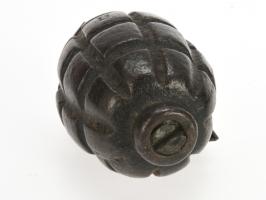
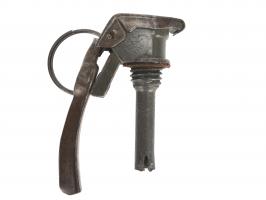
WWI US Mark I Grenade
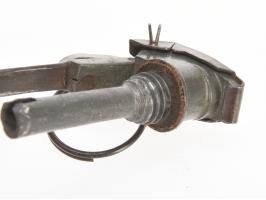
First model US hand grenade with segmented cast iron body with age dark finish, complete with fill hole plug, fuze assembled complete with lead body and pivoting arming lever, pull safety pin and arming cap, completely inert. Very nice example of a rare grenade.
$200 - $300
Informations sur la vente
Memorabilia
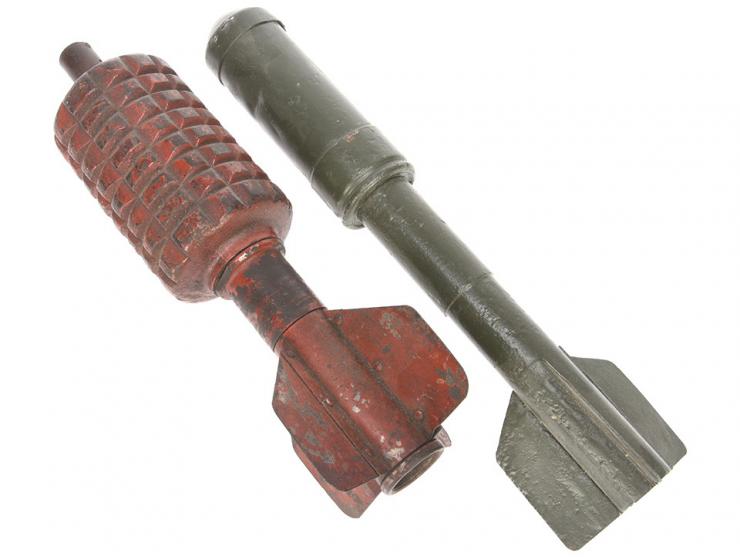
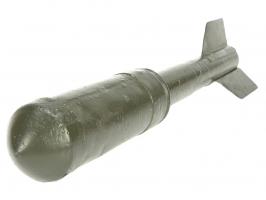
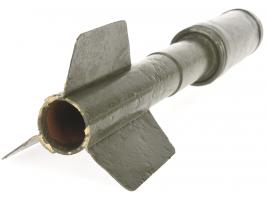
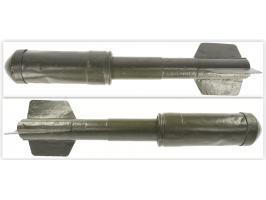
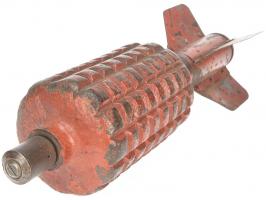
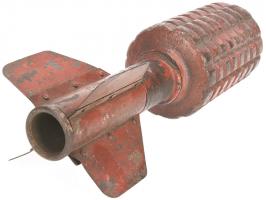
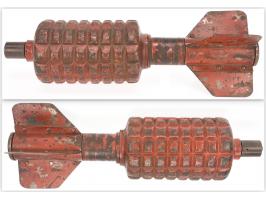
Imperial German Granatenwerfer 16 Lot of Two Projectiles (inert): Fragmentation & Flare Round
Mise à prix: $100
Granatenwerfer 16 flare projectile: Inert. Flare round for the Granatenwerfer 16, empty with pyrotechnics removed. 32cm (~12-1/2") overall length. Appears to be a recovered and restored example with some areas of pitting, which are now covered over with a collector-applied field gray painted finish, as well as a few small holes of material loss along the crimped portion of the removable nose cap.
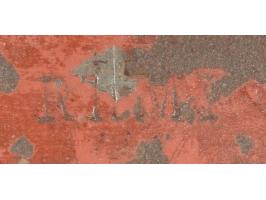
Fragmentation projectile is likewise inert. W.Gr.15 round for the Granatenwerfer 16, retains ~60% original red painted finish (denotes a training piece) blended with patina. Segmented iron warhead has inert fuze assembly. $200 - $300
Informations sur la vente
Memorabilia
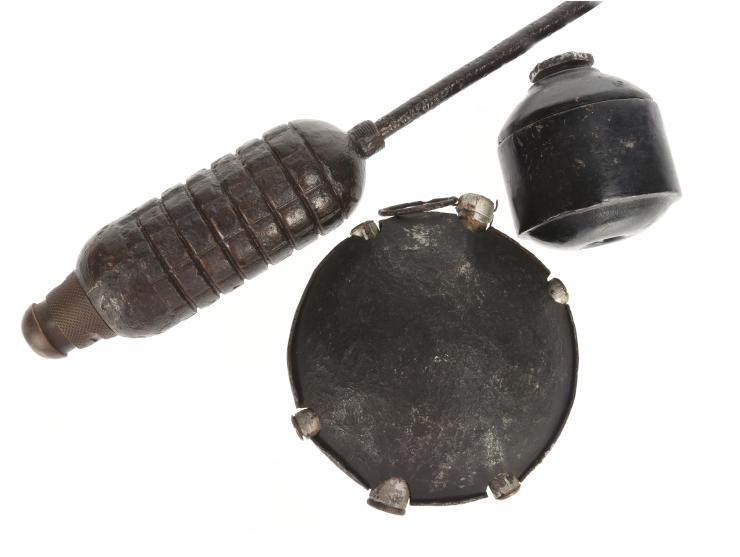
Mise à prix: $100
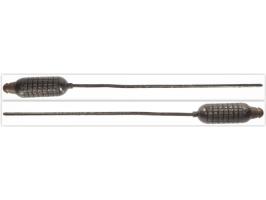
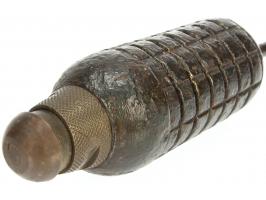
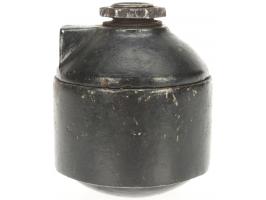
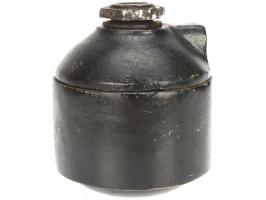
Imperial German WWI (inert) Grenade Lot: Two Rifle Grenades & One Disc Grenade
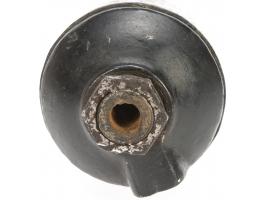
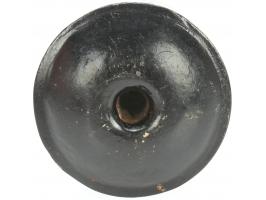
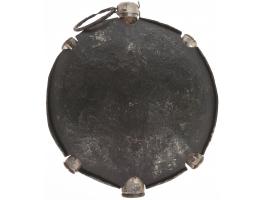
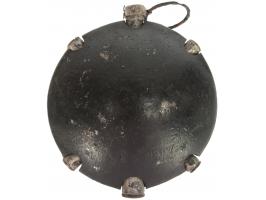
M.1914 Rifle Grenade has conical warhead with external segmentation, has dark patina and appears to have been lacquered, top with brass percussion fuze. The grenade has the launching rod which is a bit bent and heavily corroded, likely an excavated example. M.1917 Rifle Grenade has two-piece short cylindrical warhead retains 80% original field gray painted finish. Lacks the fuze insert and launching rod. M.1915 Disc Hand Grenade retains a mixture of blackened finish and patina, complete with a heavily corroded but original pull ring.
$200 - $300
Informations sur la vente
Memorabilia
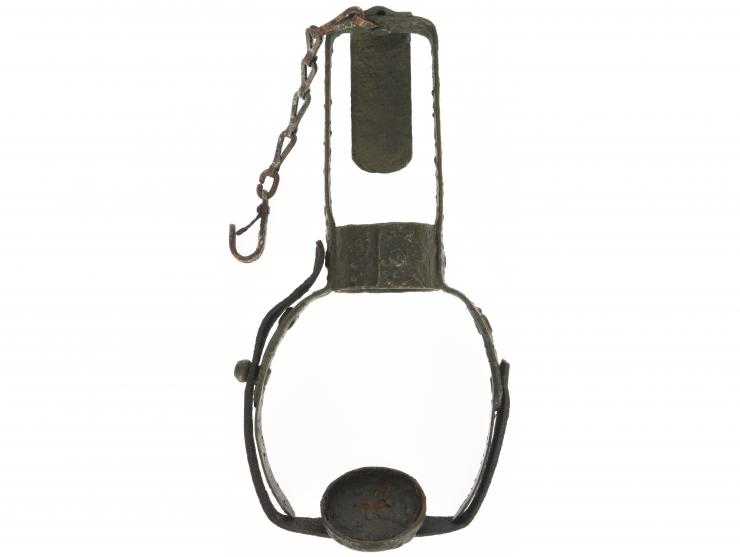
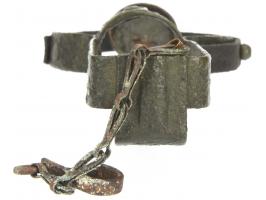
Mise à prix: $100
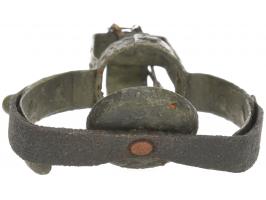
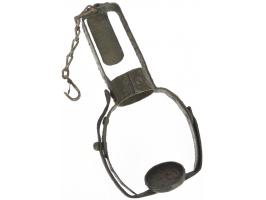
Excavated and restored example, original belt carrier / fuze puller for the Kugelhandgranate 1915. This has been repainted and fitted with a replacement leather strap which, though a replacement, is of sufficient age and wear to not appear incongruous with the artifact. This is a skeletonized sheet metal harness with belt clip, supporting the grenade via a metal disc riveted to a leather strap at the base, and attached via a clip and chain to the fuze wire. When the leather strap is released, the act of withdrawing the grenade pulls the fuze, thus saving the grenadier that one extra step. These fuze puller rigs seem to exist in this universe only as excavated relics from the battlefields, with only a handful of surviving non-excavated originals known. That said, even the excavated and restored examples are quite scarce, and this one displays nicely. $200 - $300
Informations sur la vente
Memorabilia
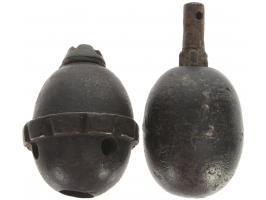
Mise à prix: $150
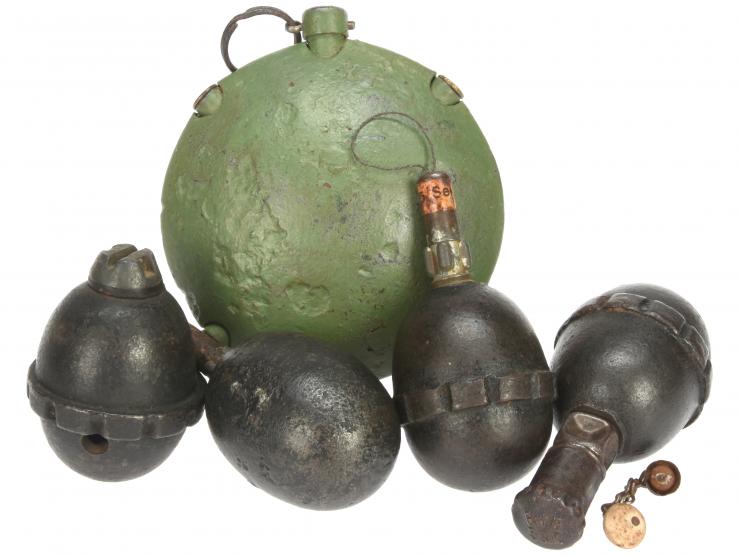
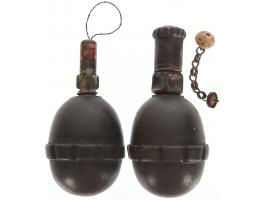
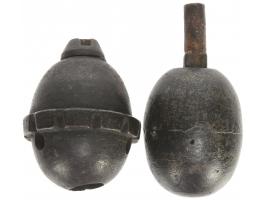
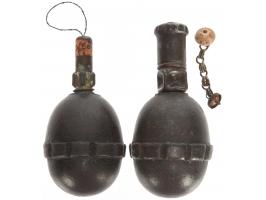
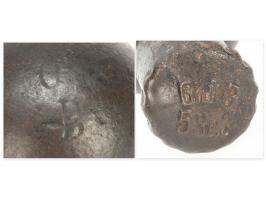
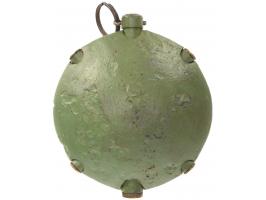
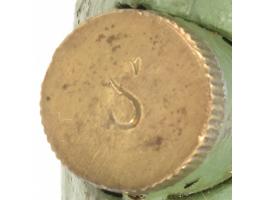
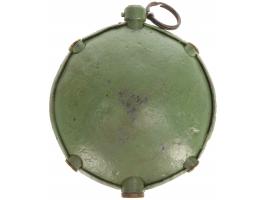
All are inert. Includes Offensive Model 1915 'disc' or 'turtle' grenade,10.9cm in diameter complete with all brass screw caps, corroded pull safety and pin, with a post-war repainted light green finish.
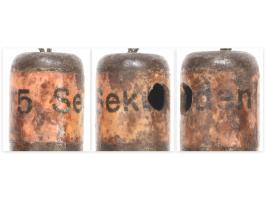
Also includes four variations of the M.17 eierhandgranate: Includes an example of the early smooth version with a M1913 traction igniter fuze, two examples with the segmented band, one of which has the scarce fuze featuring with a cap that is removed to reveal a porcelain pull on the end of a short chain. The pull and chain is loose, but included. Another segmented body egg grenade has the M.15 friction fuze, and the last one is a drill / practice grenade. $300 - $400
Informations sur la vente
Memorabilia
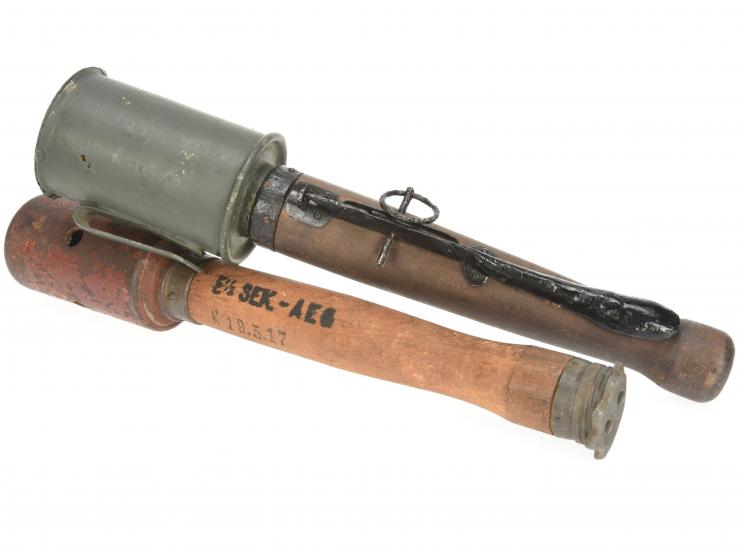
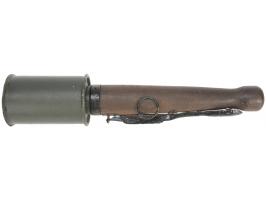
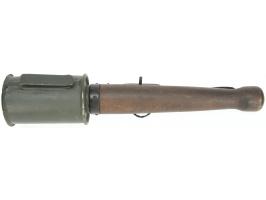
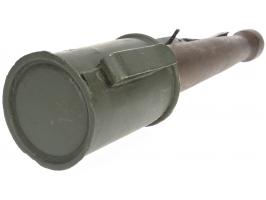
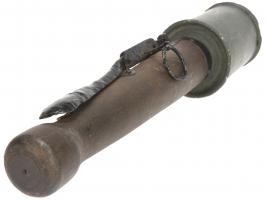
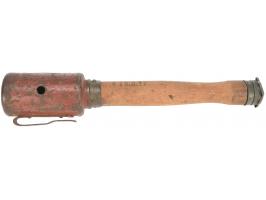
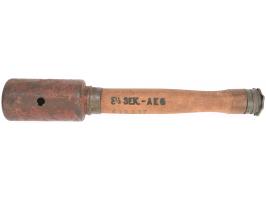
Imperial German Stick Grenade Lot: Training Grenade & 1915 Stick Grenade With 'Spoon Lever' Ignitor
Mise à prix: $200
Imperial German Stick Grenade Lot: Training Grenade & 1915 Stick Grenade With 'Spoon Lever' Ignitor
Features an Imperial German Early 1915 Stick Grenade With 'Spoon Lever' Ignitor (INERT). Model 1915 offensive stick grenade with 'spoon' lever ignitor. This is a collector / museum restoration of excavated parts, as are most all of these scarce early grenades that make their way to the market. Excavated warhead has been repaired with auto body filler and has repainted feldgrau finish, crimped upper cap and side with metal belt hook. Replacement wood handle is fitted with an excavated and restored side mounted spoon lever ignitor mechanism, complete with the original pull ring.
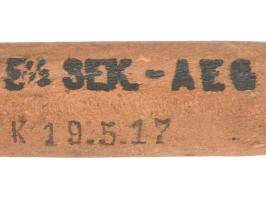
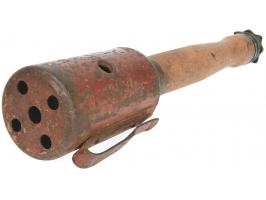
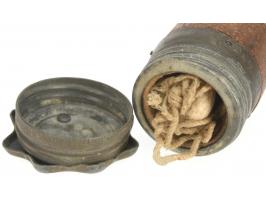
Second grenade is the Model 1917 practice stick grenade with weighted metal warhead pierced with a number of holes, retaining belt hook and recently repainted red finish. Turned wood handle has maker initials dated "9.5.17", and fuze marking "5-1/2 SEK", complete with porcelain ball pull and cord.
$400 - $600
Informations sur la vente
Memorabilia
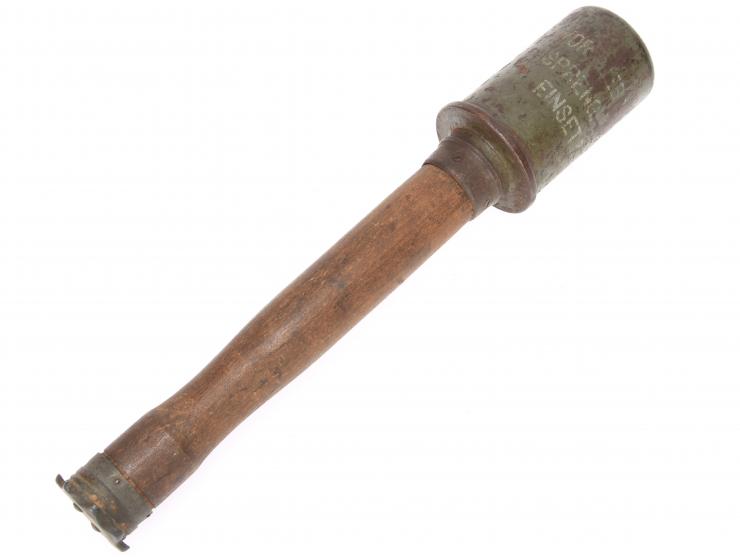
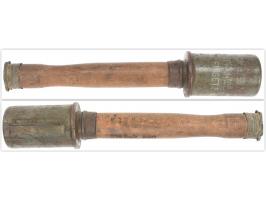
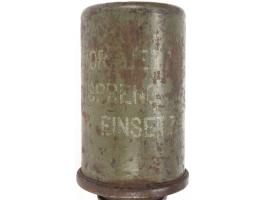
Mise à prix: $200
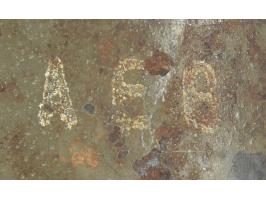
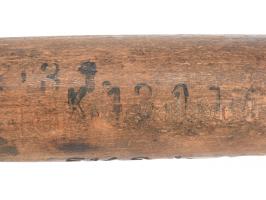
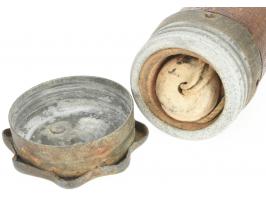
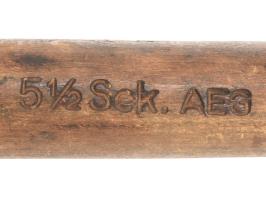
Inert 1917 pattern stick grenade has stamped metal warhead which retains ~30% field gray finish blending with dark patina where worn. The instructions stencil remains mostly legible. Turned wood handle has the fuze time promise of "5-1/2 SEK" maker's stamp and partially legible date. Grenade has base cap as well as the ball and fuze pull. Unlike many of these that we see, the screws holding the warhead attachment collar are original to the grenade and not later replacements or overly-boogered from the deactivation process. Screw cap at the base opens to reveal porcelain ball pull and cord. $400 - $500
Informations sur la vente
Memorabilia
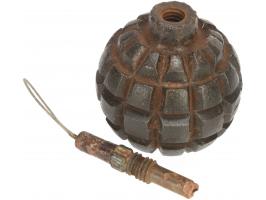
Mise à prix: $250
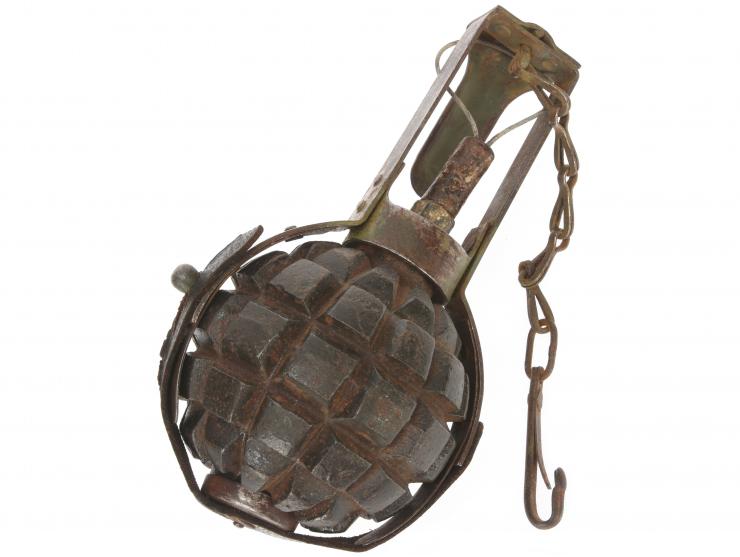
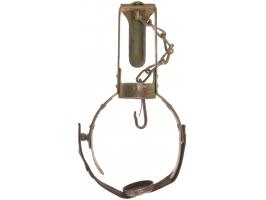
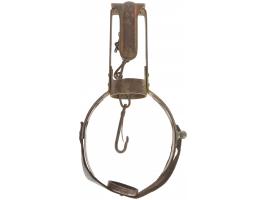
Imperial German WWI Kugelhandgranate 1913 With Belt Carrier / Fuze Puller
Inert. Kugelhandgranate 1913 with segmented iron body has traces black painted finish blended with dark patina, base cast with maker's initial "H", top with M.15 wire pull friction fuze. Included is an original example of the very rare belt carrier / fuze puller rigs that seem to exist in this universe only as replicas or restored excavated relics from the battlefields, with the handful of surviving originals found only in museums or very advanced collections. This is a simple affair, a skeletonized sheet metal harness with belt clip, supporting the grenade via a metal disc riveted to a leather strap at the base, and attached via a clip and chain to the fuze wire. When the leather strap is released, the act of withdrawing the grenade pulls the fuze, thus saving the grenadier that one extra step. Retains traces of feldgrau finish blending with patina. A fine addition to any WWI ordnance exhibit.
$500 - $700
Informations sur la vente
Memorabilia
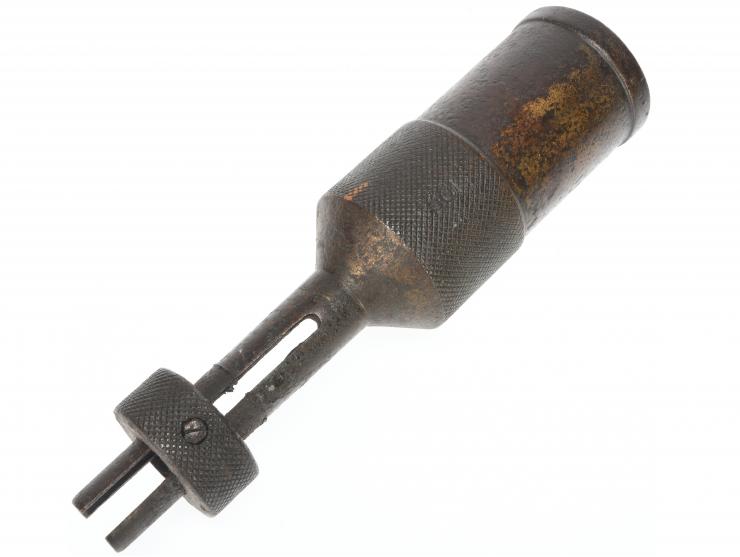
Mise à prix: $250
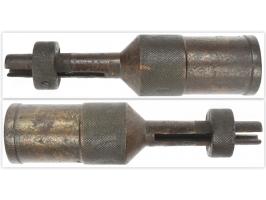
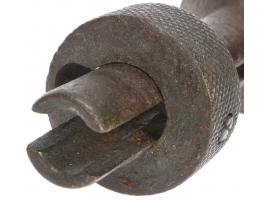
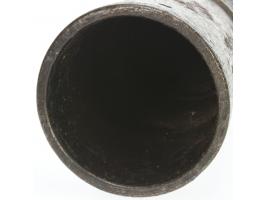
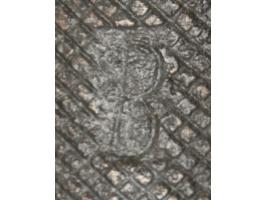
Imperial German Model 1917 Rifle Grenade Cup Launcher
Inspired by the French VB grenade launcher, the German version is 11” in length, of tooled steel with knurled cup base, split barrel socket and knurled socket locking ring, finish shows moderate pitting and is thickly covered in the now infamous Belgian museum preservative, easily removed, maker marked “DWM” and a large letter “B” proof. A very rare trench warfare and Mauser rifle accessory. These are not commonly encountered.. enough so that I actually recognized this piece. After checking the consignor's account with Advance Guard Militaria, it made sense - I sold him this artifact over 25 years ago! It was from the collection of the War Museum in Dadizelle, Belgium that we liquidated back in 1999-2000.
$500 - $700
Informations sur la vente
Memorabilia
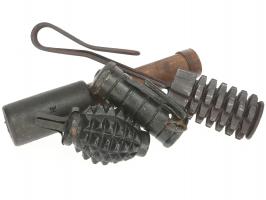
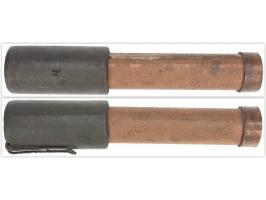
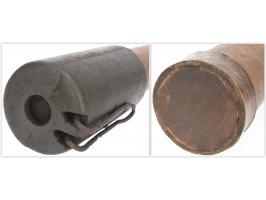
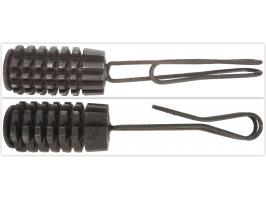
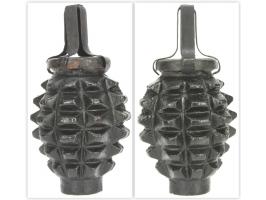
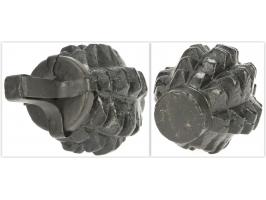
Mise à prix: $300
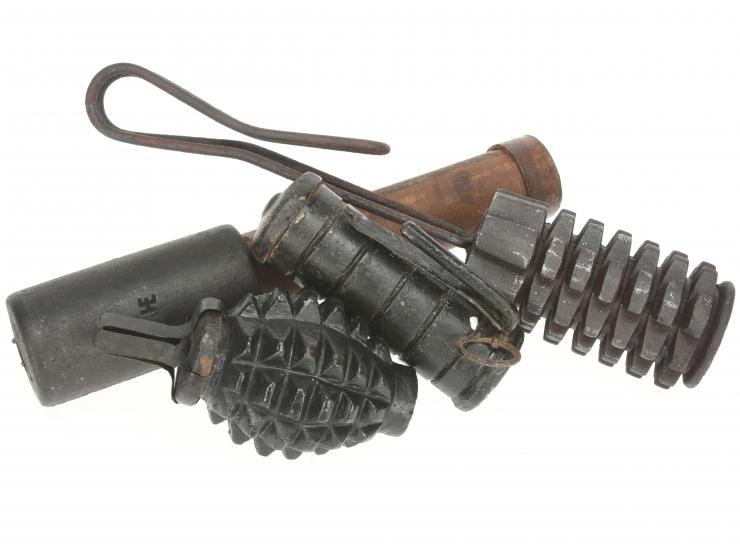
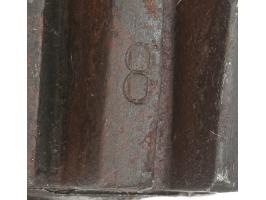
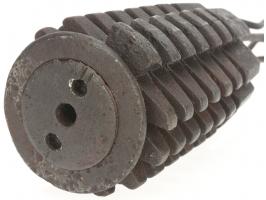
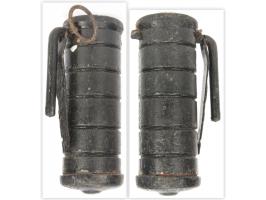
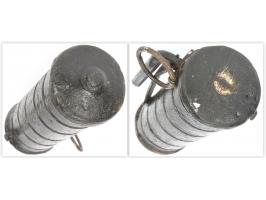
Five Austro-Hungarian WWI hand grenades, all inert. Includes Schwere fragmentation hand grenade, Zylindergranate, Zeitzünder M15 grenade, and Rohr Stielhandgranate. $600 - $800
Informations sur la vente
Memorabilia
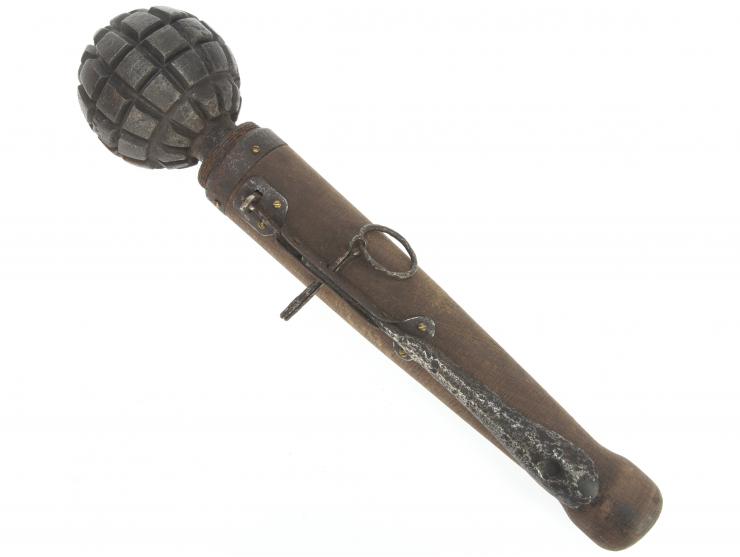
Mise à prix: $300
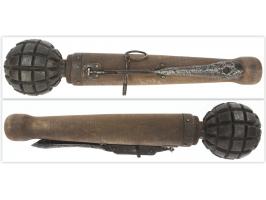
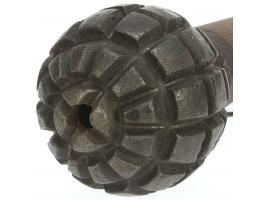
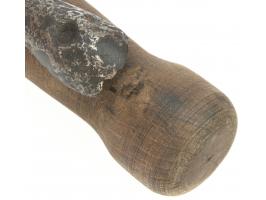
Imperial German Early WWI Defensive Stick Grenade With 'Spoon Lever' Ignitor
INERT Model 1915 defensive stick grenade with ‘spoon’ lever ignitor. Segmented kugelhandgranate warhead retains traces of blackened finish blending with patina. Wooden handle is complete with side mounted pull ring and pin with spoon lever ignitor mechanism. The thin metal of the ignitor's spoon handle shows pitting from oxidation. Includes pull ring safety. This is a collector / museum restoration of excavated parts, mated with a proper reproduction wood handle. With just a handful of vanishingly rare exceptions, an excavated and restored example such as this is the best a collector can hope to find. Kugel warhead is just a bit loose on the attachment point on the handle. $600 - $800
Informations sur la vente
Memorabilia
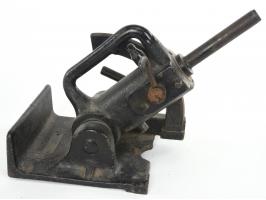
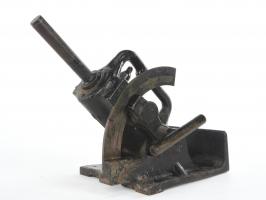
Mise à prix: $300
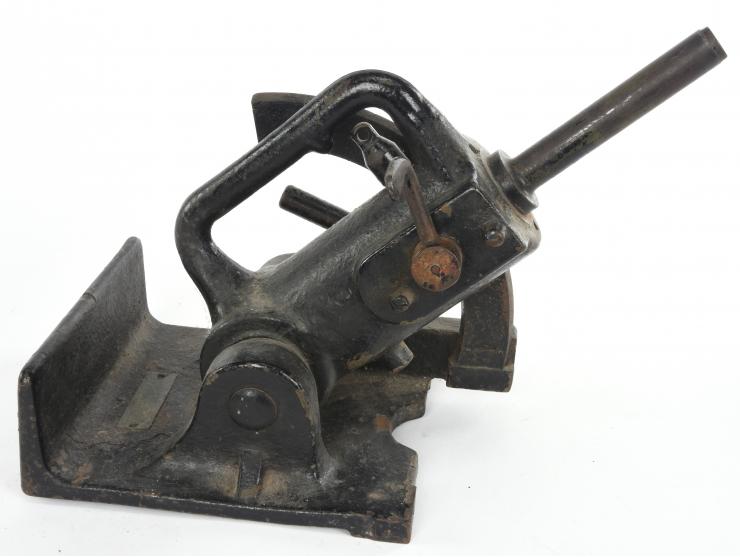
Granatenwerfer 16 Trench Projectile Launcher
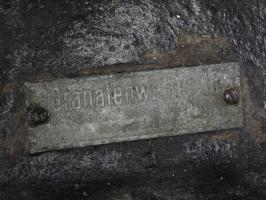
Retains black painted finish mixing with a light age patina; base has "Granatenwerfer 16" maker's data plate, though the maker portion is worn to being illegible. Elevation adjustment works smoothly, The Granatenwerfer due to its unique design is a non-firearm in the eyes of Federal regulations, and no FFL is required.
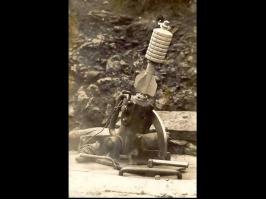
The Granatenwerfer 16 was a compact light mortar developed by the German Army for use in the static conditions of trench warfare. Introduced in 1916, this smoothbore, cup‑type launcher fired fin‑stabilized bombs using a propelling cartridge, delivering high‑angle fire at short ranges—typically under 400 meters. The weapon’s relatively light weight and simple, sturdy design allowed small infantry detachments to operate it close to the front line, lobbing explosive or gas projectiles into enemy trenches and obstacles with rapid accuracy.
Compared to earlier heavy trench mortars such as the 7.58 cm Minenwerfer, the Granatenwerfer 16 offered greater mobility and a faster rate of fire. Its tactical function paralleled that of British 2‑inch and French V.B. rifle grenade systems, which were also designed to saturate enemy positions that could not be reached by direct rifle fire. The German launcher’s efficiency in delivering sudden, localized bombardments made it a vital support weapon in assault and defensive operations, bridging the gap between hand grenades and heavier artillery throughout the latter half of the war.
$600 - $800
Informations sur la vente
Memorabilia
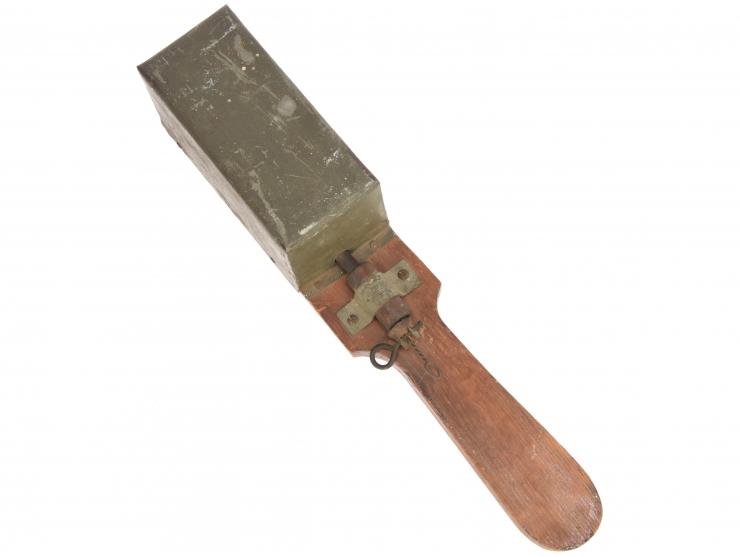
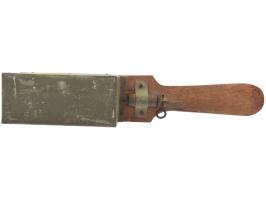
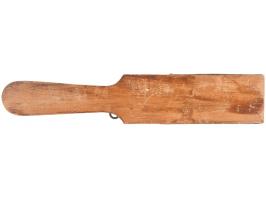
Mise à prix: $750
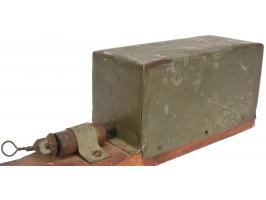
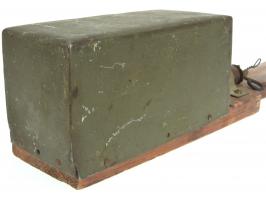
Inert - Early WWI improvised German grenade consists of a 6" x 3-1/2" x 3" field gray finished tinned iron warhead, base with time fuze complete with pull-safety, and mounted on 15-1/2" wooden racquet handle. The French, German, and British all used field-made variations on this theme early in the war before more sofisticated munitions were available in adequate supply, but this one most closely resembles the German racquet grenade illustrated in Delhomme's reference Les Grenades Allemandes De La Grande Guerre. This particular example was found in a barn in central Kentucky sometime before 2004 when it was originally consigned to Advance Guard Militaria by our dear departed friend Matt Johnson. Our customer who purchased it at that time is now the one offering it (and much of his collection) for sale through Bannerman. So how did such an early German grenade in such outstanding condition get to the U.S.? We can only speculate, but it is possible that it was a doughboy souvenir, or more likely part of a selection of captured German ordnance that was rendered inert and brought to the U.S. for training in 1917. A finer example of this grenade will not be found in any museum or collection. An exceptional example of a very rare piece of ordnance. $1500 - $2000
Informations sur la vente
Memorabilia
Mise à prix: $100
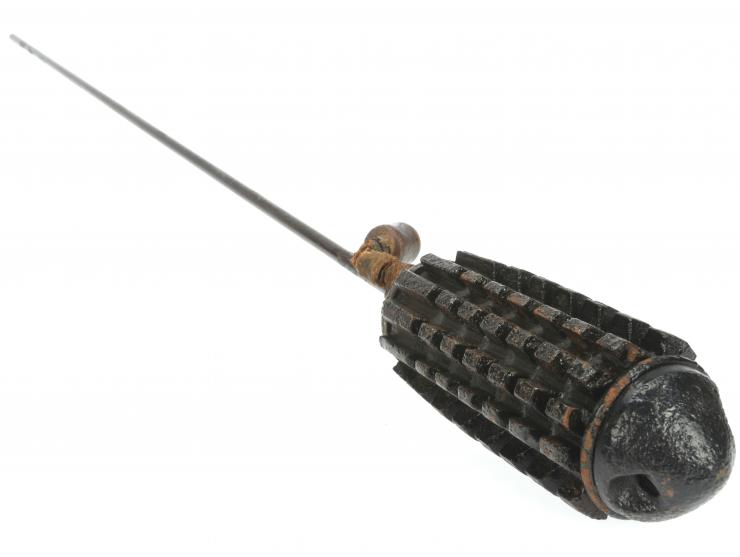
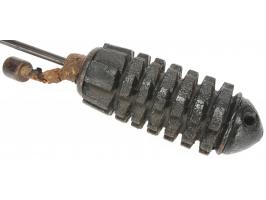
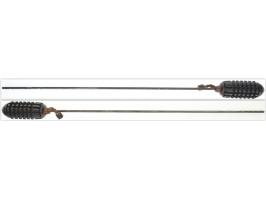
Austrian WWI Zeitzünder Rifle Grenade
Inert. 34-3/4" overall length including the proper threaded rod. Cast iron heavily segmented warhead has dark patina and retains traces of black painted finish, base retains lead ball pull on cord for the time fuze mechanism.
$200 - $300
Informations sur la vente
Memorabilia
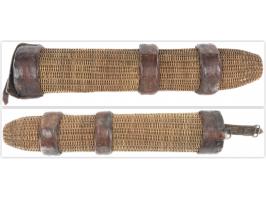
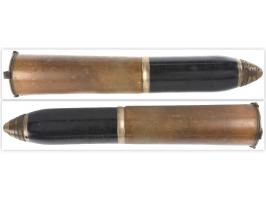
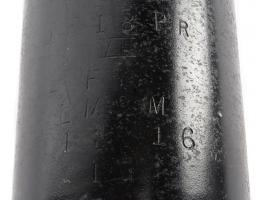
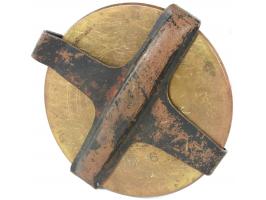
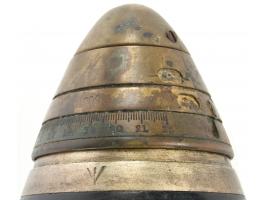
Mise à prix: $50
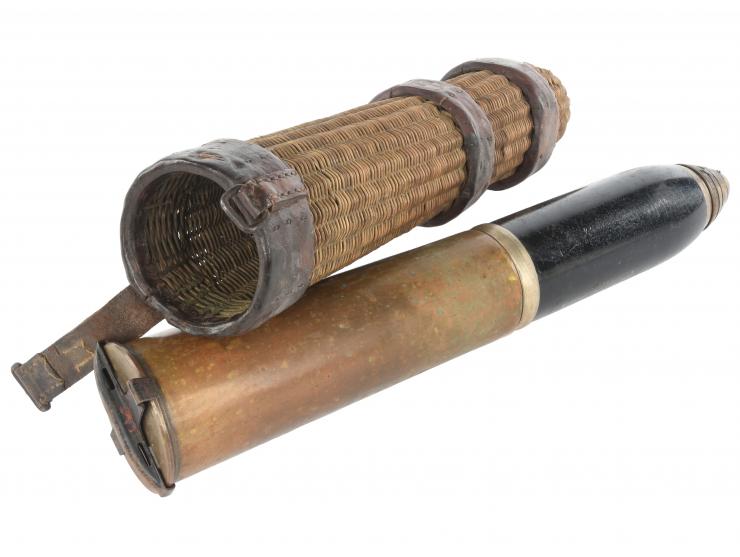
British WWI 18-Pounder Artillery Shell (inert) with Wicker Carrier
23-1/2" tall wood and leather reinforced wicker carrier for 18 pounder ammunition, contains an inert 18 pounder artillery shell (inert) with safety cap over the primer.
$100 - $200
Informations sur la vente
Memorabilia
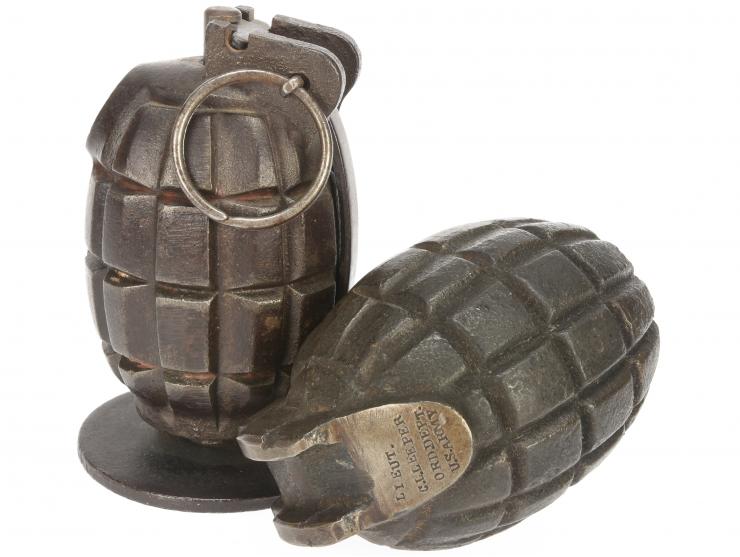
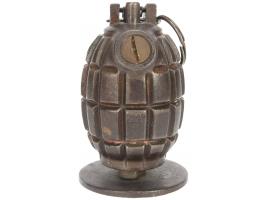
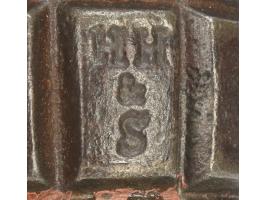
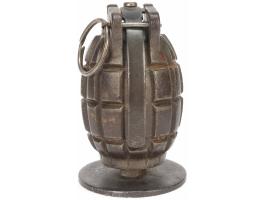
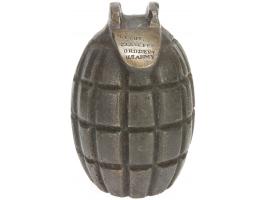
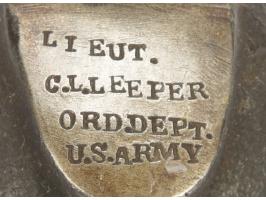
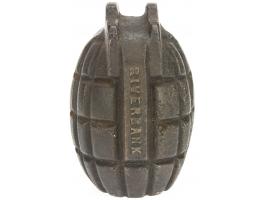
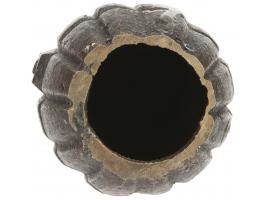
British WWI Mills Bomb Lot: No. 5 MK I with Launcher Disc Base & Unfinished Casting with Presentation
Mise à prix: $75
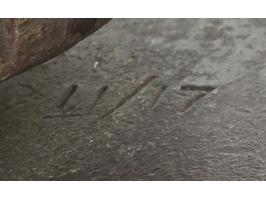
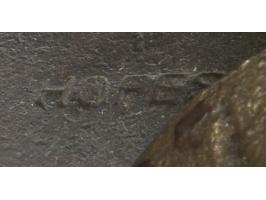
INERT. Lot includes No. 5 MK I Mills Bomb with cup type launcher disc which is dated November 1917. Also includes a dummy casting Mills Bomb cast with "RIVERBANK" where the lever would normally be, also stamped information "LIEUT. C.L. LEEPER / ORD. DEPT. / U.S. ARMY". $150 - $200
Informations sur la vente
Memorabilia
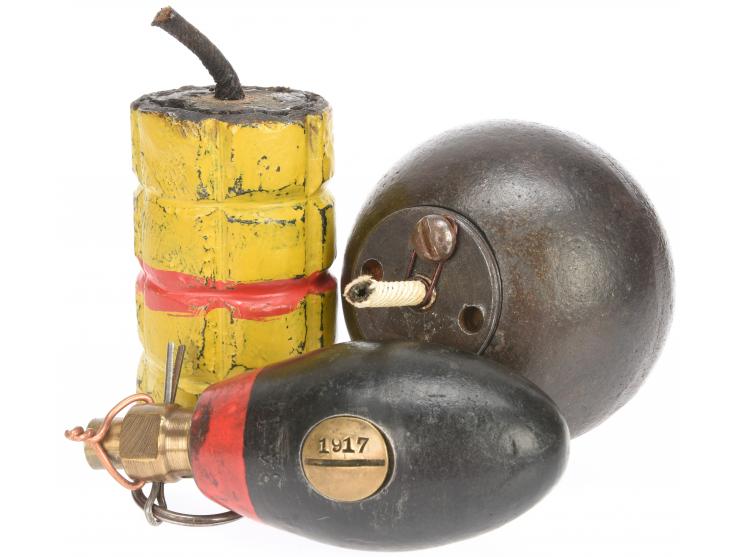
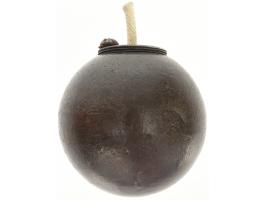
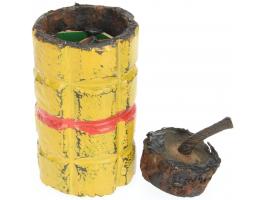
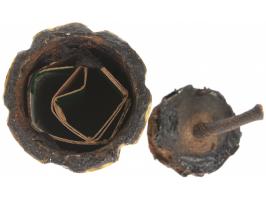
British WWI Inert Grenades: Battye Bomb, No. 15 'Cricket Ball' Grenade, & No. 34 'Testicle' Grenade
Mise à prix: $100
British WWI Inert Grenades: Battye Bomb, No. 15 'Cricket Ball' Grenade, & No. 34 'Testicle' Grenade
The Battye bomb was an interim weapon manufactured in the town of Bethune, France, in 1915 for the British Army, based on the design of Captain B.C. Battye of the Royal Engineers. These grenades consist of a segmented roughly cast iron cylinder sealed with a wooden plug, and fitted with variety of fuzes. This example has a simple wood plug and cloth fuze installed (supported by pasteboard on the interior, as the interior is happily empty). Exterior has yellow paint with a red stripe. No. 15 ball grenade or 'cricket ball' grenade is a 3" diameter iron sphere with a threaded plug and time fuze. Example has dark patina and a display analog installed to represent the fuze. No. 34 Mk III 'testicle' grenade was introduced in 1917 to rival the lightweight German 'Eierhandgranate.' Body is in good condition but with a red stripe near the top and dark patina on the remainder. Has brass fuze assembly with a replacement pull ring safety, brass plug on the side. Markings include designation "No. 34 III", maker "FB" and date "1917" on the plug.
$200 - $300
Informations sur la vente
Memorabilia
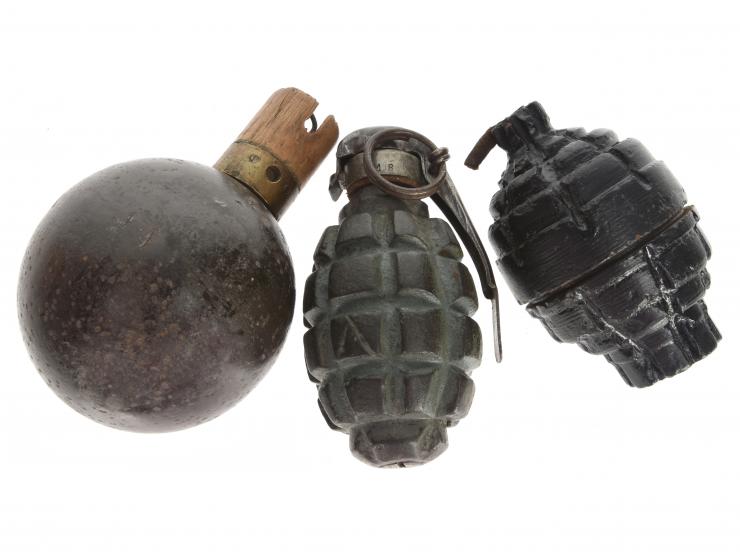
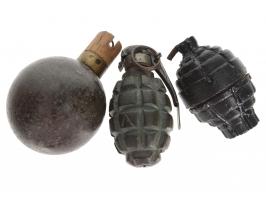
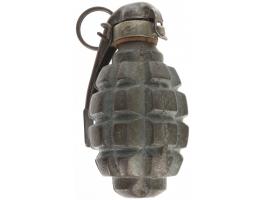
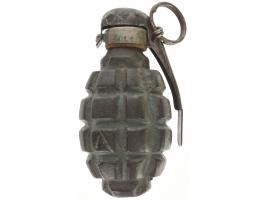
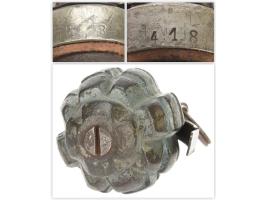
Mise à prix: $150
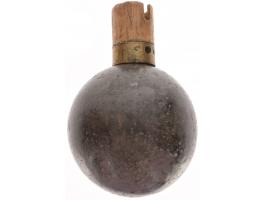
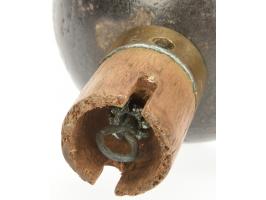
Lot of Three Inert WWI French Grenades: Mle. 1914 Spherical, Besozzi, & Mle. 1915 F1
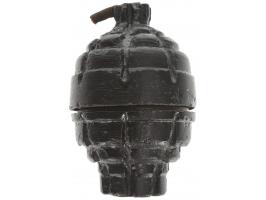
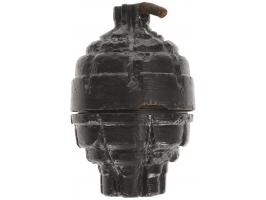
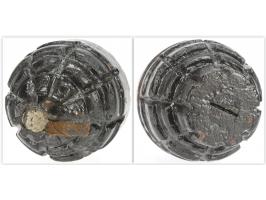
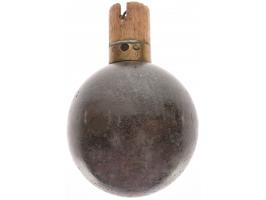
Early War Mle. 1914 Spherical Grenade is a 3-1/8" diameter smooth, spherical cast iron body and threaded bronze fuse assembly complete with friction wire ring, even complete with the wooden plug that protects the fuse device. This grenade was the first to utilize a metal, screw-in fuse for water resistance and was thrown with the aid of sling, a method that proved difficult in narrow trenches during WWI. The French / Italian Besozzi Grenade is a pre-war Italian grenade that was imported by France at the beginning of the war, then manufactured in France under license after the Italy joined the party in May 1915. Externally segmented body has threaded plug hole in the base and a hole in the top through which a red phosphorous tipped time match fuze extended. End of the fuze is still present, which is normally not the case for these. Has dull black painted finish which if not original is at least old in appearance. A design that like the war itself was a collision of new, forward thinking design (externally-segmented iron grenade) and the archaic (time match fuze that was lit via a handheld striker box). Model 1915 F1 Grenade has segmented cast iron body and is complete with Mle. 1916 Billant automatic plug Igniter with safety pin and ring. Body retains horizon blue paint in the segmentation recesses, dark patina on the remainder. Fuze has a dummy (solid) copper ignitor inserted in the fuze for display purposes.
$300 - $400
Informations sur la vente
Memorabilia
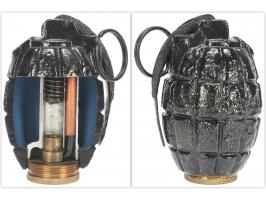
Mise à prix: $150
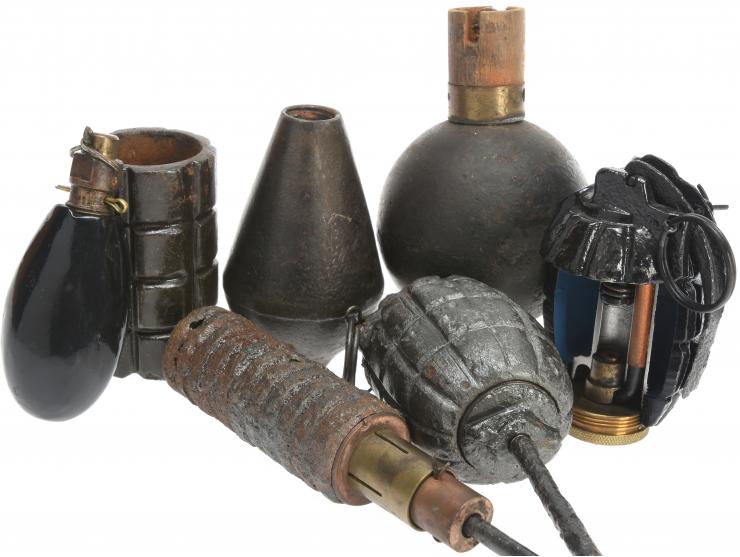
WWI British & French (inert) Grenade Lot: Featuring Cut-Away Mills Bomb
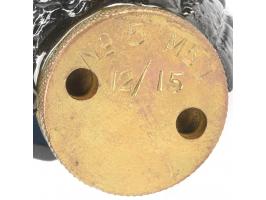
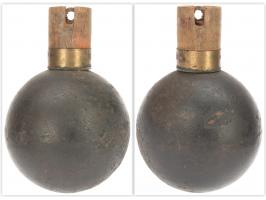
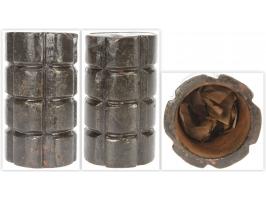
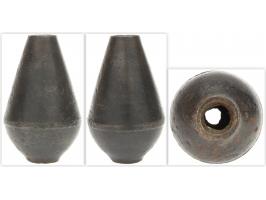
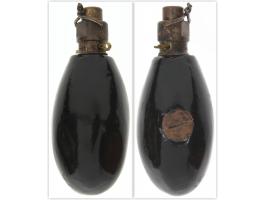
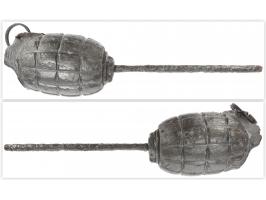
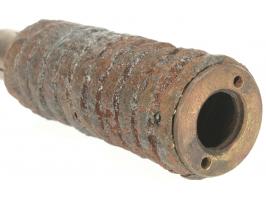
Lot features a very nice training cut-away Mills Bomb with base plug marked "No. 5 MkI" and dated "12/15". Also includes a nice example of the Battye bomb; an interim weapon manufactured in the town of Bethune, France, in 1915 for the British Army, based on the design of Captain B.C. Battye of the Royal Engineers. These grenades consist of a segmented roughly cast iron cylinder sealed with a wooden plug, and fitted with variety of fuzes. This example is one of the few that we have had that is not a ground dug recovery - has nice even dark patina, top is open with no plug or fuze installed. Early War French Mle. 1914 Spherical Grenade is a 3-1/8" diameter smooth, spherical cast iron body and threaded bronze fuse assembly complete with friction wire ring, even complete with the wooden plug that protects the fuse device. This grenade was the first to utilize a metal, screw-in fuse for water resistance and was thrown with the aid of sling, a method that proved difficult in narrow trenches during WWI. British No. 34 Mk III 'testicle' grenade was introduced in 1917 to rival the lightweight German 'Eierhandgranate.' This example appears to be a heavily restored ground dug example with a now-smooth black finish over filler. Has brass fuze assembly, no visible markings.
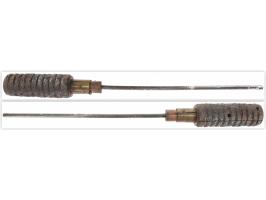
Lot further includes a relic condition British No. 24 Mk I rifle grenade, a No. 23 Mk II Mills Bomb with a portion of a rifle rod attached to the base plug, and the body portion of a French Brandt 60mm modèle 1915 pneumatic mortar projectile, lacking fuze and tail assembly.
$250 - $350
Informations sur la vente
Memorabilia
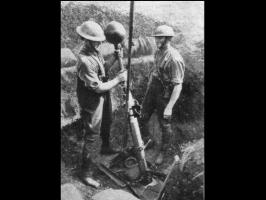
Mise à prix: $250
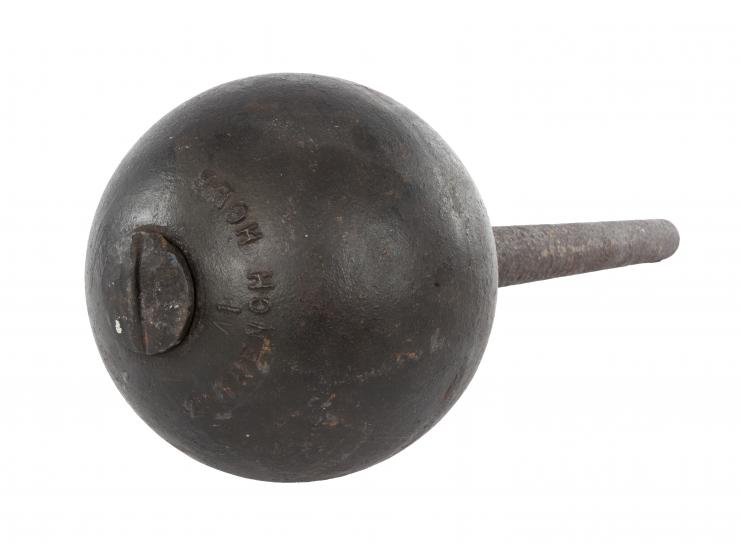
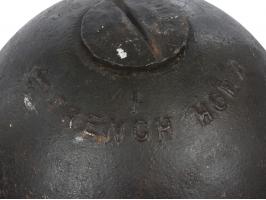
British WWI 'Toffee Apple' Trench Mortar Round
This is the infamous 'Toffee Apple' or 'Plum Pudding' mortar bomb, one of the iconic weapons of c.1915-1916 trench warfare. Inert 9" diameter round steel warhead is complete with the launching rod. Top of the warhead has raised embossed inscription " 2" TRENCH HOW'R". The launching rod is attached with a glaringly bright, modern screw (easily sorted by digging through those dusty mason jars of old fittings you have been saving in the garage for just such an opportunity!). These were originally equipped with a standard artillery fuze, and later with threaded housing for an impact fuze which improved the bomb's effectiveness when used to clear barbed wire entanglements in preparation for an assault. This example has the soft metal shipping / fill plug in place. They were dispatched to the front lines with the projectile, fuzes, propellant, and launching rod as separate components, to be assembled just prior to use.
Numerous WWI personal accounts mention these projectiles specifically, especially those written by the troops on the receiving end who despised them. Ernst Jünger called them "...personally malignant. They're insidious beasts." in his classic account of WWI trench warfare Storm of Steel. In his 1931 work Up to Mametz and Beyond, Captain Llewelyn Wyn Griffith of the 15th Royal Welch Fusiliers describes a barrage of 2-inch mortars: "A pop, and then a black ball went soaring up, spinning round as it went through the air slowly; more pops and more queer birds against the sky. A stutter of terrific detonations seems to shake the air and the ground, sandbags and bits of timber sailed up slowly and then fell in a calm deliberate way. In the silence that followed the explosions, an angry voice called out in English across No Man’s Land, ‘YOU BLOODY WELSH MURDERERS.’" They were not much liked by either side, as it turns out.
The artillery-fuzed mortar bomb produced numerous complaints when it was discovered that it burrowed into the soft mud and then exploded, creating a huge crater which was filled with the barbed wire entanglement that had been previously on the surface. This created a much more formidable obstacle for the advancing infantry than what was there before. One reference notes a few further features that annoyed those on the sending part of the equation: the shorter-range shots were dangerous due to a tendency to fall short, it was imprecise, and often the explosion sent the rather heavy and thus kinetically deadly launching rod sailing back toward the trench from whence it came. All of these complaints led to its replacement in 1917 by the Newton 6-in Medium Mortar.
As Advance Guard Militaria we had a few of these that came to us in the purchase of the Oorlogsmuseum Dadizele back in 1999 / 2000, but since that time I could count on one hand the number that that I have observed in collections or at shows here in the US. An iconic and very interesting artifact from the war in the trenches!
$500 - $700
Informations sur la vente
Memorabilia
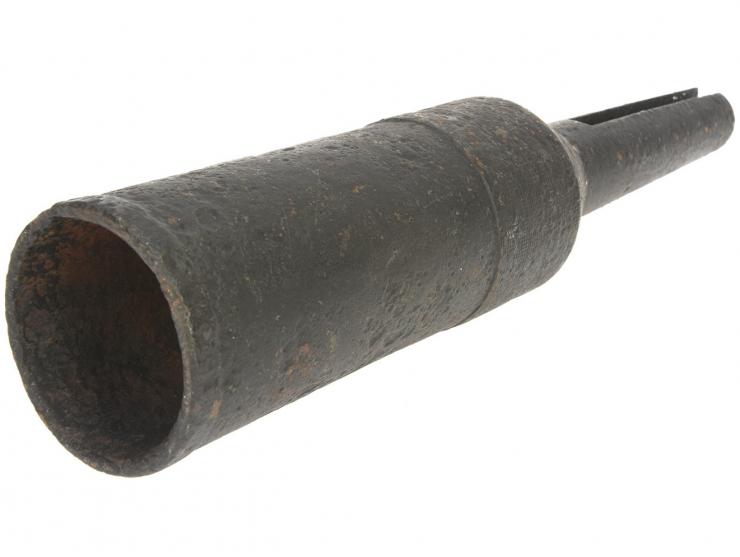
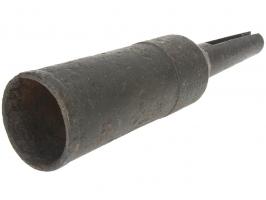
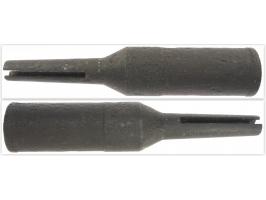
Mise à prix: $50
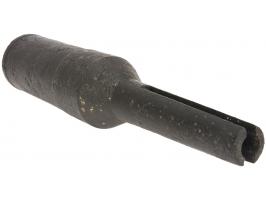
30cm (~11-3/4") in length, tooled steel cup with slotted shaft to affix it to the Lebel rifle. Dark overall patina with heavy pitting, likely an excavated example or old battlefield recovery piece. That said, it displays well and is in good condition for either of those circumstances. Used by the French, Americans and Belgians, the VB grenade and launcher was a highly successful weapons system that played havoc on German positions. $100 - $200
Informations sur la vente
Memorabilia
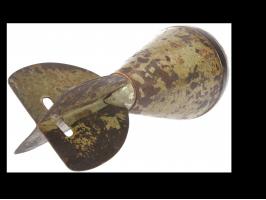
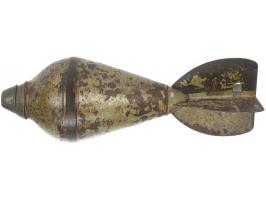
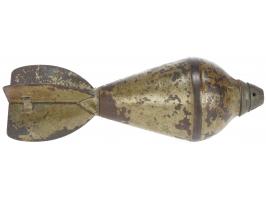
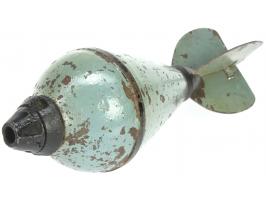
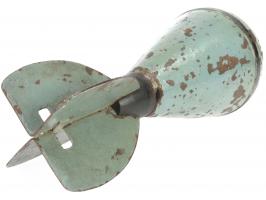
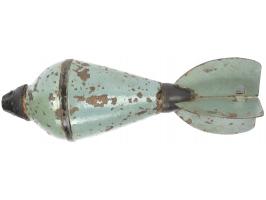
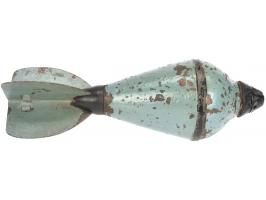
Mise à prix: $50
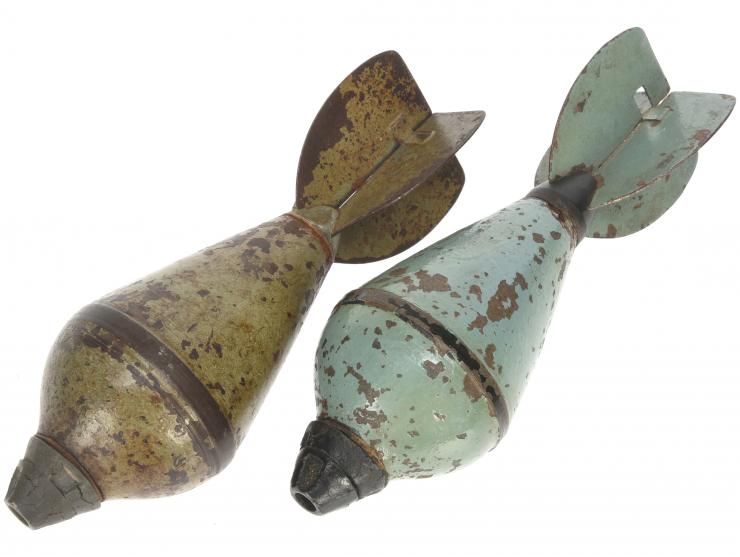
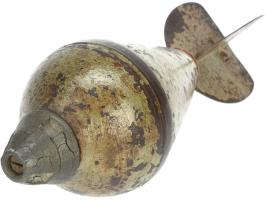
Inert, each is 18cm (~7") long overall with 'cement mixer' profile body, sheet metal fin assembly, and zinc fuze assembly. One example retains ~50% original light olive finish blending with patina; second example has a blue-green painted finish with the zinc components painted black. $100 - $150
Informations sur la vente
Memorabilia
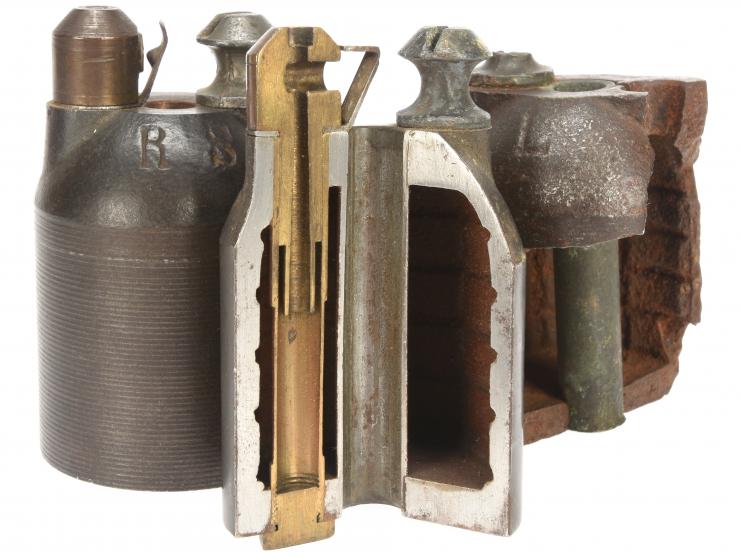
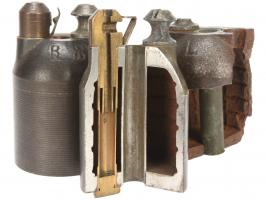
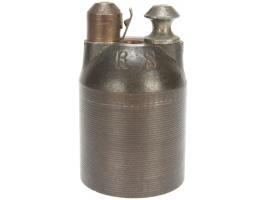
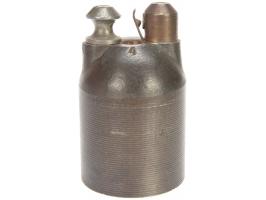
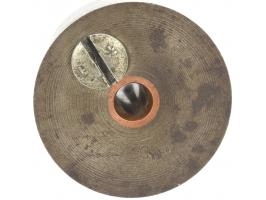
Mise à prix: $75
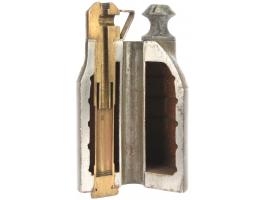
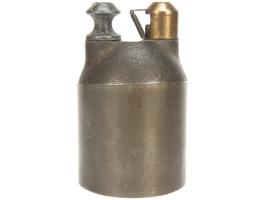
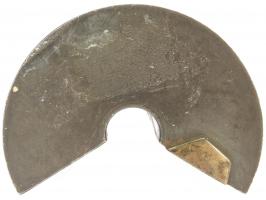
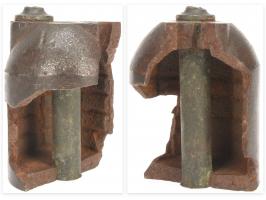
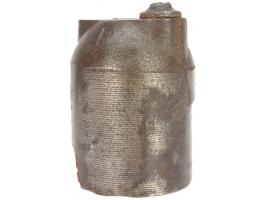
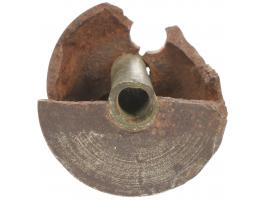
Includes a nice inert example of the VB rifle grenade, one that has been fired and exploded, and a sectionalized training example showing the inner workings of the VB. $150 - $250
Informations sur la vente
Memorabilia
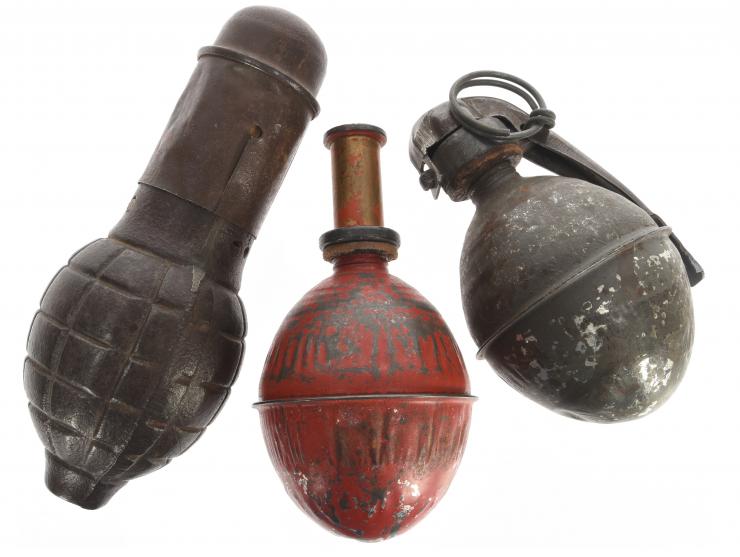
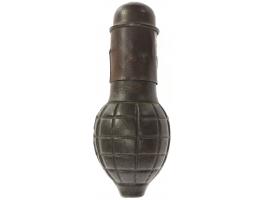
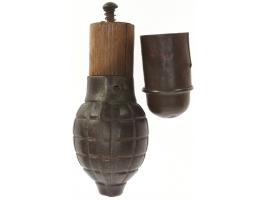
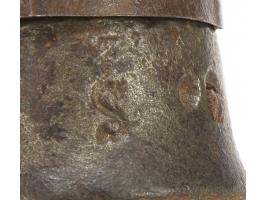
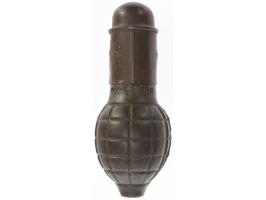
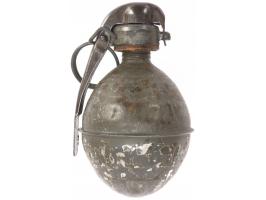
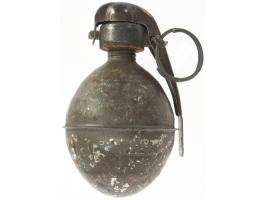
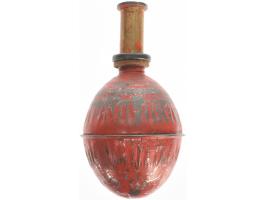
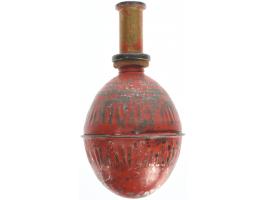
Three Inert WWI French Grenades: Two OF1 Offensive Grenades & Citron Foug With Original Safety Cap
Mise à prix: $150
Mle. 1915 OF1 tinned iron offensive grenade has the second generation, 1916 impact fuze complete with brass safety cap. Body retains original 70% red painted finish. The second Mle. 1915 OF1 tinned iron offensive grenade has traces of blue-gray painted finish and has the M1916 Billant igniter complete with pull ring safety. Third is a nice segmented iron Citron Foug grenade which has dark age patina. Top has original tinned iron safety cap which lifts to reveal wooden fuze plug with a push-button detonator. You see plenty of Citron Foug grenades on the market, and even a few with the wooden detonator housing, examples complete with the tinned iron safety cap are much more scarce.
$300 - $400